
The evolution of gambling a journey through time and culture
The Origins of Gambling
The history of gambling dates back thousands of years, with its roots deeply embedded in ancient civilizations. The earliest evidence of gambling can be traced to ancient China, where tiles dating back to 2300 BC were found, believed to be used for a rudimentary game of chance. Similarly, the Greeks and Romans engaged in various forms of betting, from dice games to betting on athletic contests. These early forms of gambling served not only as entertainment but also as a means for social interaction. Today, players can find the best online casinos that reflect this rich history.
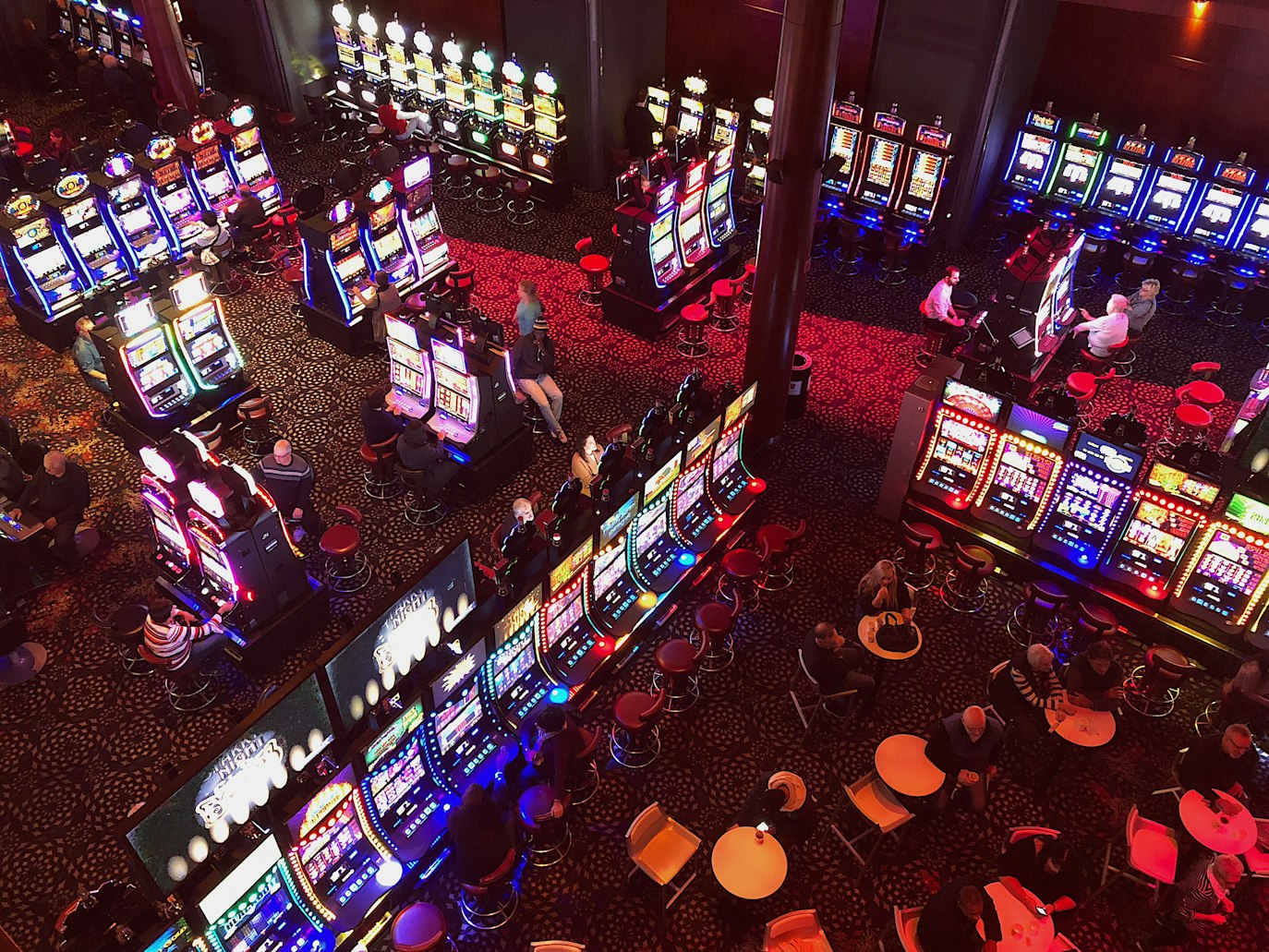
In addition to dice and betting on athletic events, ancient societies utilized games of chance as a method to resolve disputes and make decisions. This aspect of gambling reflects its integration into the cultural fabric of these societies, where it was often associated with divine intervention or fate. As these practices evolved, so did the complexity of the games themselves, leading to the establishment of structured forms of gambling that we recognize today.
The Rise of Casinos in the Modern Era
The concept of the casino as a dedicated space for gambling emerged during the Renaissance in Europe. The first official gambling house, known as «Il Ridotto,» was opened in Venice in 1638. This establishment not only provided a venue for gambling but also offered entertainment, showcasing the luxurious lifestyle associated with gambling. As cities flourished and wealth increased, casinos became popular hotspots for the elite, giving rise to a culture of gambling that was intertwined with luxury and social status.
The 19th century marked the expansion of casinos across Europe and the introduction of new games, such as roulette and blackjack. These games quickly gained popularity due to their easy-to-understand rules and the thrill they provided. The emergence of casinos in the United States, particularly in Las Vegas during the 20th century, further solidified the casino’s role as a cultural phenomenon, attracting millions of visitors seeking both excitement and escape from daily life.
The Impact of Technology on Gambling
With the advent of the internet in the late 20th century, gambling underwent a significant transformation. Online casinos began to emerge, providing players with the convenience of gambling from their homes. This shift not only revolutionized the industry but also made gambling accessible to a broader audience. Online platforms allowed for a diverse range of games and betting options, catering to varying preferences and styles of play.
Additionally, technological advancements have led to the creation of mobile gambling applications, further enhancing the accessibility of gambling. Players can now place bets or play games on their smartphones, making gambling a truly portable experience. The integration of blockchain technology and cryptocurrencies into the gambling sector has also added a layer of security and transparency, reshaping the landscape of how bets are placed and winnings are distributed.
The Cultural Significance of Gambling
Gambling is not only a pastime but also a reflection of cultural values and social dynamics. Different cultures have varying attitudes towards gambling, ranging from acceptance to prohibition. In some societies, gambling is celebrated as a form of entertainment, while in others, it is viewed with skepticism and concern for its potential negative impacts. This dichotomy has led to a rich tapestry of gambling-related traditions and rituals across the globe.
Moreover, gambling has influenced art, literature, and cinema, serving as a narrative device that captures the essence of risk, reward, and human nature. From the high-stakes poker games in Western films to the exploration of addiction in literature, gambling has become a versatile theme that resonates across various media, further embedding it in the cultural consciousness.

Exploring Escapism Through Gambling
In modern society, gambling often serves as a form of escapism, allowing individuals to immerse themselves in a world of excitement and possibility. The allure of potential winnings and the thrill of the game provide an escape from everyday life, making it a popular choice for many seeking a break from routine. This aspect of gambling is deeply intertwined with its cultural significance, as it often reflects societal desires for adventure and risk-taking.
Additionally, platforms dedicated to exploring various forms of media related to gambling, such as games and cinematic portrayals, further amplify this escapism. These platforms not only offer entertainment but also provide insights into the historical evolution of gambling and its cultural impact, fostering a deeper understanding of this multifaceted topic.