The fascinating journey of gambling tracing its historical evolution
Origins of Gambling: Ancient Times
The history of gambling can be traced back thousands of years, with evidence found in ancient civilizations such as Mesopotamia and Egypt. Archaeological findings reveal that games of chance were played using dice made from animal bones, known as astragali. These ancient dice games likely served both recreational and ritualistic purposes, reflecting early humans’ desire for entertainment and luck. Gambling was not just a pastime; it often held cultural significance, incorporating elements of fate and divine intervention.
In ancient China, gambling also flourished, particularly with the introduction of games like Keno around 200 BCE. The Chinese utilized paper and betting systems that paved the way for modern-day lottery games. Similarly, the Greeks and Romans embraced gambling, holding events like dice games during feasts and festivals. The incorporation of gambling into social practices suggests that, even in antiquity, it was an integral part of human interaction, illustrating a universal yearning for risk and reward.
Gambling’s intertwining with religion is notable; in many cultures, it was believed that the outcomes of games were influenced by the gods. The Romans, for example, linked dice games to fortune and fate, often invoking divine favor before rolling. This blend of spirituality and chance established gambling as more than mere entertainment, embedding it deeply into the cultural fabric of various societies. As civilizations evolved, so too did the complexity and variety of gambling activities, setting the stage for its further development.
The Middle Ages and the Rise of Formal Gambling
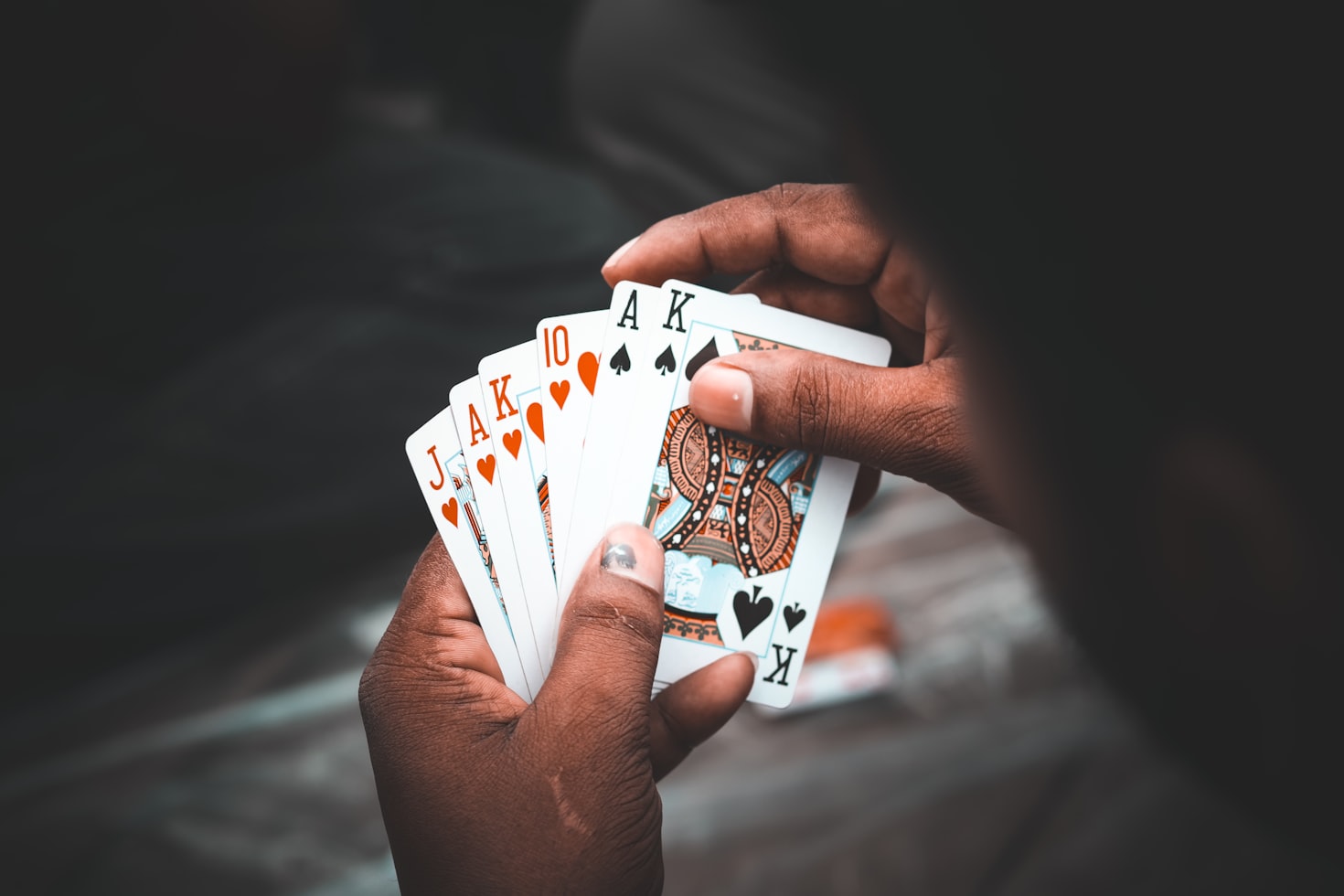
The Middle Ages saw a dramatic transformation in gambling, as it began to shift from informal games to more structured forms. The emergence of gambling houses in Europe marked a significant milestone in this evolution. These establishments began offering regulated games, attracting various social classes and providing a controlled environment for gambling. The popularity of card games, such as Tarot and Poker, also grew during this period, indicating a shift from dice to cards as the primary medium for gambling.
During this era, gambling faced scrutiny and regulation, especially from religious authorities who viewed it as morally ambiguous. In response, many cities implemented laws governing gambling, aiming to curb excesses while still allowing for its practice. This balance between regulation and enjoyment reflects society’s struggle to reconcile the inherent risks of gambling with moral and ethical concerns. The tension between these elements laid the groundwork for future legislation regarding gambling in later centuries.
By the late Middle Ages, the establishment of lotteries for public benefit became popular. These early lotteries provided funds for projects such as road construction and military endeavors, illustrating a practical application of gambling. They also democratized the act of betting, allowing even the lower classes to participate. This phase of gambling history underscores the evolution from private pastimes to public enterprises, showcasing the varying societal roles that gambling would continue to play over the centuries.
The Age of Enlightenment and the Birth of Modern Gambling
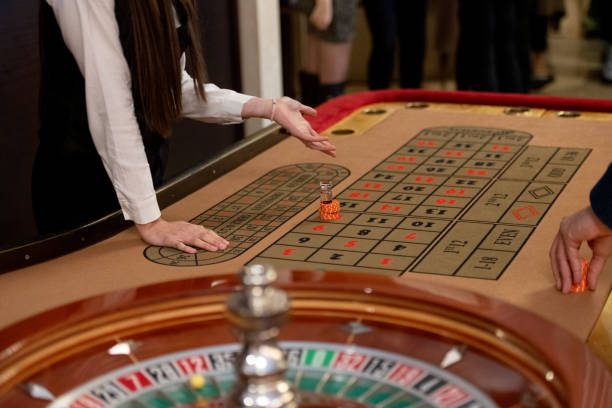
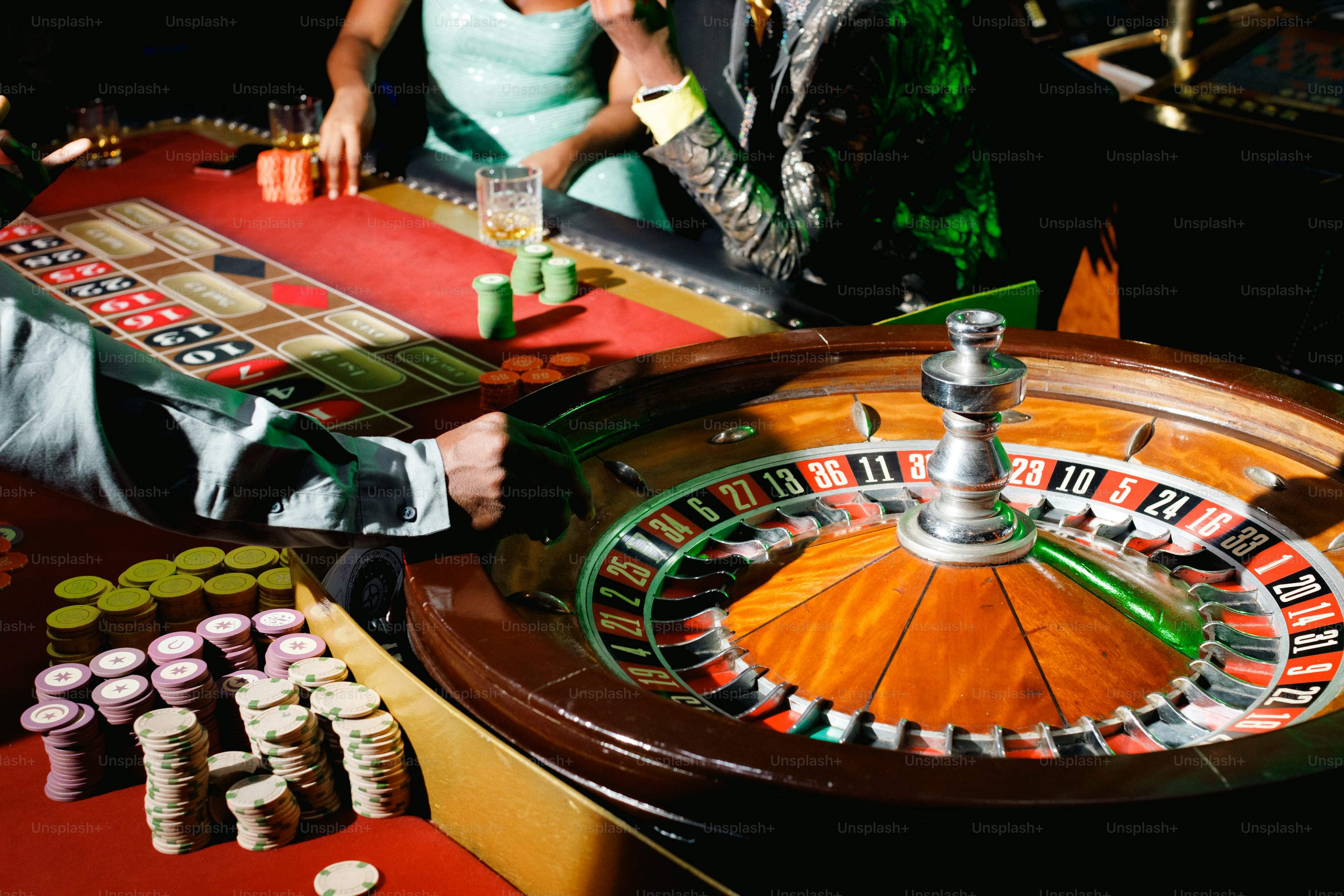
The Age of Enlightenment ushered in a new era of thought and innovation, impacting various aspects of society, including gambling. As the idea of rationality and science gained prominence, gambling began to adopt more structured and mathematical approaches. The invention of the roulette wheel in the 18th century epitomized this shift, introducing a new game that combined chance with systematic betting strategies. This period marked the beginning of casinos as we know them today, transforming gambling into a more sophisticated and organized activity.
With the establishment of the first official casino in Venice in 1638, the concept of dedicated gambling venues spread throughout Europe. These casinos offered a range of games, attracting individuals seeking both leisure and the thrill of chance. The grandeur of these establishments symbolized the social acceptance of gambling, and they became popular social hubs. In turn, this acceptance led to the proliferation of various gambling games and further innovations, laying the foundation for the diverse offerings seen in modern casinos.
The proliferation of gambling during this period also brought about the need for regulations and oversight. Governments began to see the economic potential of legalized gambling, leading to a more structured approach to its practice. This movement towards regulation was crucial in shaping the modern gambling landscape, as it established frameworks that ensured fairness and accountability. Consequently, gambling became not only a source of entertainment but also a significant contributor to national revenues, a trend that persists to this day.
The 20th Century: The Transformation of Gambling Culture
The 20th century marked a seismic shift in gambling culture, particularly with the advent of technology and the rise of the internet. Traditional brick-and-mortar casinos experienced fierce competition from online gambling platforms, which began to emerge in the 1990s. This digital transformation made gambling more accessible than ever, allowing players from around the globe to participate from the comfort of their homes. As a result, online casinos began to proliferate, offering a vast array of games that appealed to diverse preferences.
Alongside the rise of online gambling, regulatory changes also occurred. Governments worldwide recognized the need to address the growing online gambling market, leading to the establishment of regulatory bodies that set standards for fair play and player protection. This shift towards regulation helped mitigate concerns regarding fraud and addiction, fostering a more responsible gambling environment. Furthermore, advancements in technology enabled secure payment methods, reinforcing player confidence in online gaming platforms.
Additionally, the introduction of mobile gaming revolutionized the gambling industry, allowing players to engage with their favorite games on the go. The development of mobile apps created a seamless gaming experience, attracting a younger demographic to gambling. As technology continued to evolve, the gambling landscape transformed dramatically, becoming a multifaceted industry that catered to a global audience. The combination of convenience, innovation, and regulatory oversight solidified gambling’s status as a mainstream form of entertainment.
Today’s Gambling Landscape and Future Prospects
Today, the gambling industry stands as a complex ecosystem that encompasses a variety of formats, including physical casinos, online platforms, and mobile gaming applications. With the expansion of live dealer games, players can now experience the thrill of a casino environment from the comfort of their homes. This immersive experience has further blurred the lines between traditional and online gambling, creating a hybrid model that appeals to a broad audience. Furthermore, the integration of virtual reality technology promises to enhance the gaming experience even further, indicating a promising future for the industry.
The ongoing conversation surrounding responsible gambling remains a crucial aspect of the industry. As access to gambling expands, so do concerns related to addiction and player welfare. This has led to the implementation of various responsible gambling measures, including self-exclusion programs and educational initiatives aimed at promoting safe play. The industry’s commitment to player safety reflects an evolving understanding of the social responsibilities tied to gambling, ensuring that enjoyment does not come at the expense of well-being.
As the gambling landscape continues to evolve, the potential for innovation remains vast. Emerging technologies, such as blockchain and artificial intelligence, offer exciting possibilities for enhancing transparency and fairness in gaming. In this dynamic environment, players can look forward to a gambling experience that is not only entertaining but also responsible and secure. The journey of gambling has come a long way from its ancient origins, and as it adapts to modern realities, its evolution will undoubtedly continue to captivate and engage audiences worldwide.