
The House Edge Explained
The concept of the house edge is vital for understanding why casinos generally win in the long run. The house edge is the mathematical advantage that the casino has over players, ensuring that, over time, the casino will profit from every game offered. This edge varies from game to game; for example, in roulette, the house edge can range from 2.6% to 5.3%, depending on the variant played. Many players seek out the best online casino experiences to maximize their enjoyment while understanding this edge is crucial for players to know their chances of winning and how to strategize their gameplay effectively.
Different types of games present varying levels of risk and return. Table games such as blackjack may offer players a better chance of beating the house due to strategy elements involved, while slots operate purely on chance with higher house edges. For instance, a well-played game of blackjack can have a house edge as low as 0.5%, making it one of the more favorable options for players looking to maximize their winning potential. This knowledge can help players make informed decisions about where to place their bets.
Moreover, being aware of the house edge also affects a player’s mindset. Realistic expectations can significantly influence a person’s gaming experience; understanding that the house has a built-in advantage can lead to more careful bankroll management and a more strategic approach to gaming. Players can improve their odds against the house by choosing games with lower edges and employing effective strategies, thus enhancing their chances of winning, even temporarily.
Strategies to Improve Your Odds
While the house edge is a factor in determining game outcomes, players can employ certain strategies to improve their odds. Skill-based games such as poker and blackjack allow for strategic play, where knowledge and experience can influence the outcome. For example, in blackjack, players can reduce the house edge by learning basic strategy, which involves knowing when to hit, stand, or split based on the dealer’s upcard. Mastering these strategies can lead to improved odds and potential profitability.
Furthermore, bankroll management is critical. Setting limits on how much to spend and sticking to those limits can prevent significant losses. Players should also consider time management, as gambling for extended periods can lead to fatigue, increasing the likelihood of mistakes. Taking breaks can help keep the mind sharp and decision-making clear, thus enhancing one’s ability to play strategically and responsively against the house.
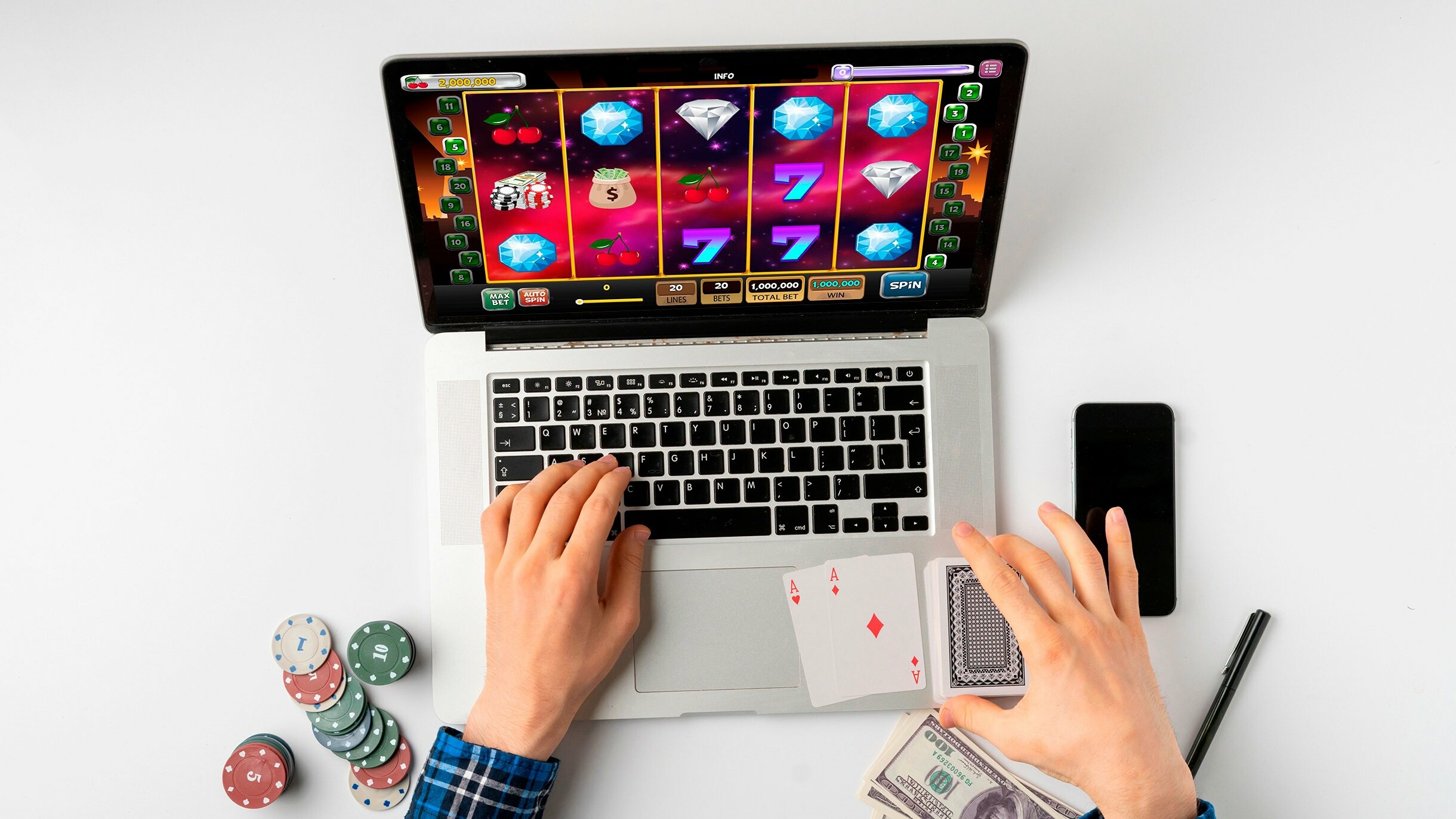
In addition to skill-based games, understanding the dynamics of various betting systems can also aid in improving your odds. Systems like the Martingale or Fibonacci method suggest ways to manage bets and can be appealing to players seeking structured approaches. Though these systems do not eliminate the house edge, they provide frameworks for players to engage thoughtfully and strategically, optimizing their gameplay experience.
The Role of Luck in Casino Games
Luck plays an undeniable role in casino games, especially in those that are purely chance-based, like slot machines or roulette. Regardless of any strategies employed, the outcome of these games can ultimately hinge on randomness. Hence, players might win big one day and lose the next, epitomizing the unpredictable nature of gambling. For this reason, understanding the balance between skill and luck is fundamental for anyone engaging with casinos.
However, luck is not uniformly distributed in gaming; certain games provide players with better chances of experiencing winning streaks. For example, blackjack and poker involve a degree of skill that allows players to influence the game through their choices, whereas slots offer no such control. Recognizing when luck is on your side and capitalizing on winning moments can be pivotal, leading to more thoughtful gambling experiences.
Additionally, psychological factors play a significant role in how individuals perceive luck. Gamblers often chase losses or believe in due or lucky streaks. While it is essential to recognize the role of luck, it is equally important to maintain a level head and not let emotional responses dictate betting behavior. Successful players tend to strike a balance, understanding that while luck can influence outcomes, strategic play and sound judgment are equally powerful in maximizing time spent at the tables.
The Impact of Casino Promotions and Bonuses
Many casinos offer enticing promotions and bonuses that can significantly impact players’ chances of beating the house. These bonuses typically manifest in various forms, such as welcome bonuses, cashback offers, and free spins. For instance, a welcome bonus can effectively increase a player’s bankroll, giving them more opportunities to play and win without additional financial risk. Understanding how to harness these promotions can create significant advantages for players, expanding potential winnings.

However, it’s crucial to read the fine print associated with these offers, as they usually come with specific terms and conditions. Players should pay attention to wagering requirements and eligible games because not all games contribute equally toward fulfilling these conditions. A strategic approach to utilizing bonuses can turn a modest amount of bonus money into considerable winnings, offering a layer of potential success against the house.
Additionally, loyalty programs can provide ongoing benefits to frequent players, such as comp points or exclusive event invitations. These programs can help players gain an edge by offering rewards that can enhance the overall gaming experience. By effectively leveraging these promotions and loyalty rewards, players can improve their chances of beating the house and possibly walk away with more than just a fleeting win.
Conclusion and Responsible Gaming
Ultimately, the question of whether you can beat the house at a casino has no definitive answer, as it depends heavily on understanding the games, employing strategic plays, managing bankroll effectively, and occasionally counting on a stroke of luck. While it’s possible for players to achieve wins, it’s essential to remember that casinos are designed to profit in the long run. This understanding should foster a healthy attitude towards gambling, promoting enjoyment over the sole goal of financial gain.
Responsible gaming is crucial; players should always approach casino play with awareness of their limits and the inherent risks involved. Setting limits on time and expenditure can ensure that gambling remains a source of entertainment rather than a financial burden. Recognizing when to walk away—whether you’re winning or losing—is key to maintaining a positive experience.
For those intrigued by the allure of casino gaming, remember to prioritize enjoyment and plan your gaming sessions thoughtfully. Engaging with the games you love, armed with knowledge, strategy, and responsible practices, can lead to fulfilling experiences at the casino. Explore the world of gaming and find what works best for you, ensuring that every visit remains an adventure, not a gamble on your financial stability.